Nepali street food is quieter than Thailand's and less photographed than India's, which is exactly why it's so good. It's mostly Newari — the food culture of the Kathmandu Valley — layered over Tibetan dumplings and a hill-country love of anything fried in mustard oil.
The five things to eat first
You can find all of these within one loop of Asan Tole in Kathmandu, and most of them anywhere in the country.
- Momo — steamed or fried dumplings, buff or vegetable, served with a sesame-tomato achar. NPR 120–200 a plate.
- Chatamari — the 'Newari pizza': a rice-flour crepe topped with minced buff, egg and spring onion.
- Sel roti — a sweet, chewy rice-flour ring fried fresh at dawn. Best within ten minutes of leaving the oil.
- Samay baji — a ceremonial platter of beaten rice, soybean, egg, ginger and buff. Not street food exactly, but sold from street kitchens.
- Juju dhau — 'king yoghurt' from Bhaktapur, set in a clay pot. Thick enough to hold a spoon upright.
If a stall only sells one thing, order that thing. It's the closest to a rule as street food gets.
Where to eat it

Asan Tole market
Six streets meeting at a spice market that's been running for centuries. Momo counters, sweet shops and sel roti fryers.
Why I recommend it: Go at 7am for sel roti coming out of the oil, or 5pm for the momo rush.
Asan, KathmanduView map pin for Asan Tole market
Newa Lahana, Kirtipur
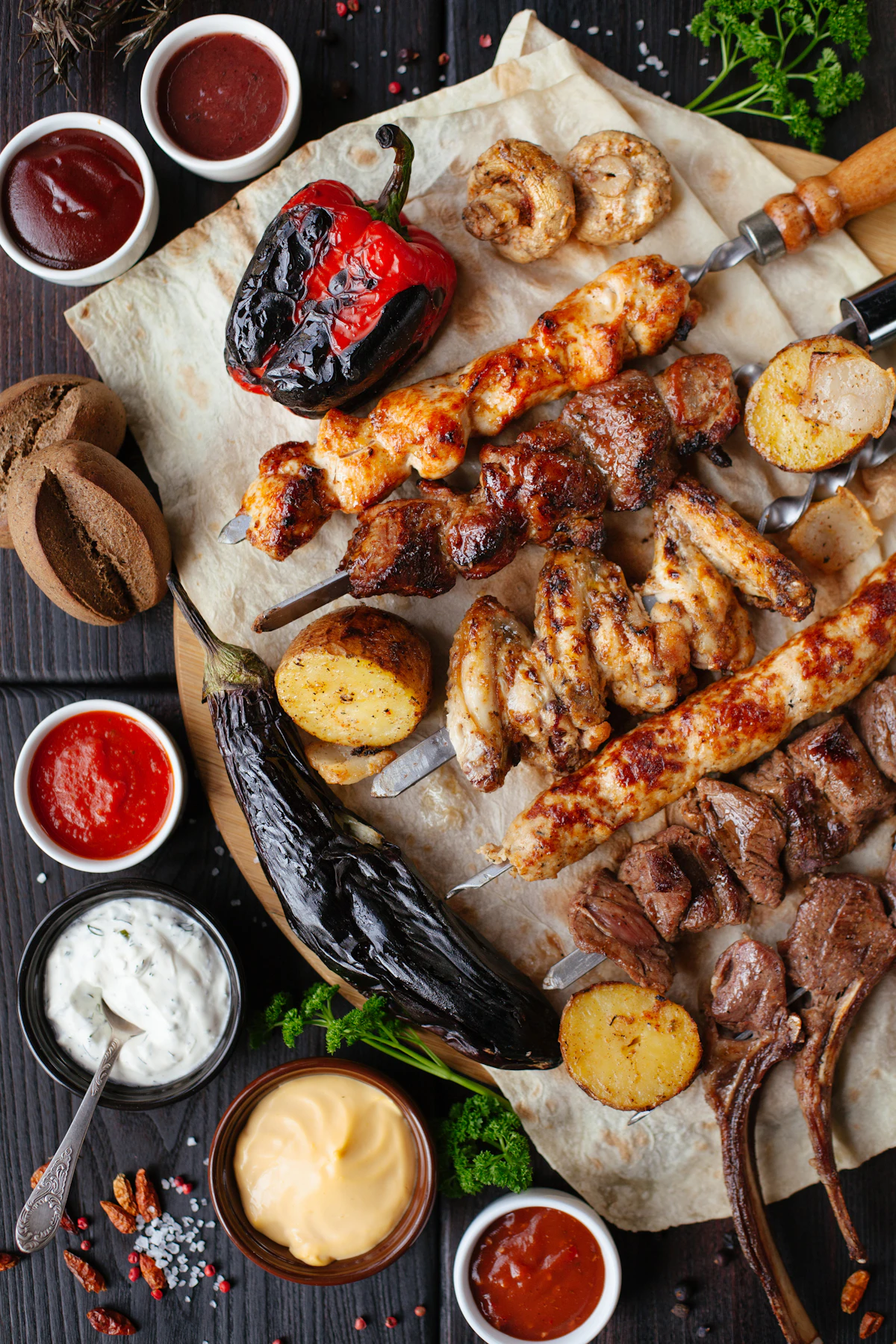
A community-run Newari kitchen on a hill above the valley. Order by pointing; nothing is in English.
Why I recommend it: The most honest samay baji I've had, and the rooftop looks back over the whole valley.

Bhaktapur Durbar Square dhau stalls
Clay pots of juju dhau stacked three deep outside the square's south gate.
Why I recommend it: Buy from the stall with the fewest pots left — it means they sold out fastest.
BhaktapurView map pin for Bhaktapur Durbar Square dhau stalls
- Asan Tole — 27.7089, 85.3106
- Newa Lahana, Kirtipur — 27.6766, 85.2774
- Bhaktapur dhau stalls — 27.6720, 85.4281
Eating safely without eating boringly
I've eaten street food across Nepal for six years and been ill twice, both times from restaurants rather than stalls. Volume is the best safety signal there is: a busy counter turns over its ingredients in hours.
- Eat where there's a queue of locals, not a queue of tourists.
- Anything fried in front of you is safe. Anything sitting in a lukewarm tray is a gamble.
- Skip raw salads and pre-cut fruit; the risk is the rinse water, not the food.
- Carry your own water — filtered or bottled, never tap.
- Bring hand sanitiser. Most stalls have a shared water bowl, not soap.

What it costs
You can eat extremely well on street food for NPR 600–900 a day (roughly $5–7). A full sit-down Newari platter at a place like Newa Lahana runs NPR 400–600 and will replace two meals.